Domestic and Commercial Moving
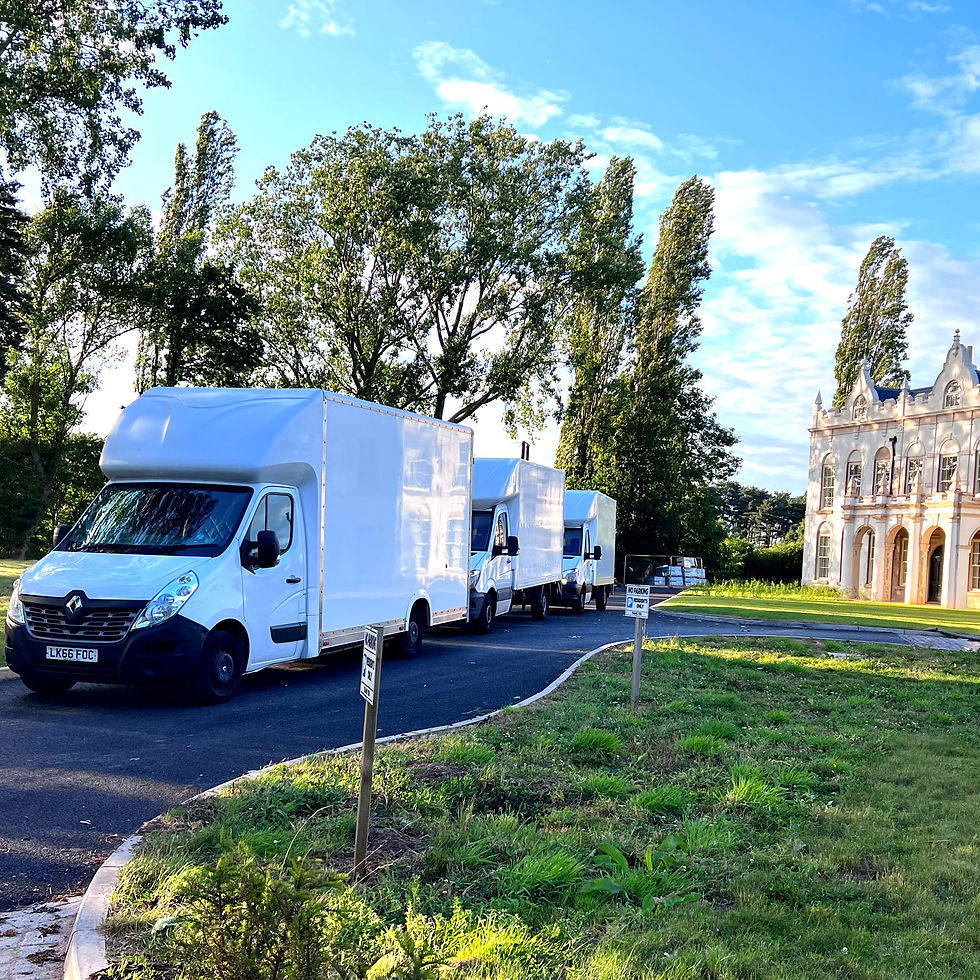
Moving property is a major life event — whether you’re relocating your family home or transitioning your business to new premises. While both domestic and commercial moves involve logistics, planning, and transportation, the process and priorities can differ significantly.
Understanding the differences — and knowing how to prepare properly — can make your move smoother, faster, and far less stressful. In this guide, we explore what domestic and commercial moving involves, key considerations for each, and how to ensure a seamless transition.
⸻
What Is Domestic Moving?
Domestic moving refers to relocating from one residential property to another. This could include:
• Moving from a flat to a house
• Upsizing for a growing family
• Downsizing after retirement
• Relocating to a new area
Domestic moves are often emotionally driven, as they involve leaving a home filled with memories. They also require careful handling of personal belongings, furniture, and sentimental items.
Working with experienced removals Coventry professionals ensures that your possessions are transported safely and efficiently, giving you peace of mind during what can be a busy time.
⸻
What Is Commercial Moving?
Commercial moving focuses on relocating business premises. This may involve:
• Office relocations
• Warehouse moves
• Retail shop transitions
• Industrial equipment transfers
Unlike domestic moves, commercial relocations are often time-sensitive. Businesses aim to minimise downtime, maintain productivity, and ensure operations resume quickly in the new location.
A commercial move requires structured planning, coordination with staff, and sometimes specialist equipment handling.
⸻
Key Differences Between Domestic and Commercial Moves
While both types of moves share common elements — such as packing, transport, and unloading — there are several important differences.
1. Scale and Complexity
Commercial moves often involve:
• IT infrastructure
• Office furniture systems
• Confidential documents
• Large volumes of equipment
Domestic moves, on the other hand, focus more on personal items, appliances, and household furniture.
2. Time Sensitivity
Businesses cannot afford extended disruption. Many commercial relocations are scheduled outside working hours or over weekends to minimise impact.
Residential moves, although still time-sensitive, typically offer more flexibility.
3. Equipment and Handling
Commercial relocations may require specialist lifting equipment, secure document handling, and structured inventory management. Domestic moves generally prioritise careful packing and protection of household goods.
⸻
Planning a Domestic Move
If you’re moving home, preparation is everything. A structured plan can dramatically reduce stress.
Start Early
Begin decluttering weeks before your move date. Donate, sell, or dispose of items you no longer need. Moving fewer items saves time and cost.
Organise Packing
Label boxes clearly by room and priority. Keep essentials — such as important documents, chargers, and toiletries — in a separate “first night” box.
Protect Fragile Items
Use quality packing materials to protect glassware, electronics, and valuables. Professional movers can supply appropriate materials to ensure everything arrives safely.
If you’re arranging home removals Coventry services, discuss any particularly fragile or high-value items in advance so appropriate care can be taken.
⸻
Planning a Commercial Move
Commercial relocations demand a more strategic approach.
Assign a Move Coordinator
Appoint someone within your organisation to oversee the process. This ensures clear communication between management, staff, and the moving team.
Create a Timeline
Develop a detailed moving schedule that includes:
• IT disconnection and reconnection
• Furniture dismantling
• File and archive transfer
• Cleaning and handover dates
Communicate with Staff
Keep employees informed throughout the process. Provide clear instructions on packing personal desk items and outline the schedule for relocation.
⸻
Minimising Downtime in Commercial Moves
For businesses, downtime equals lost revenue. The goal is to transition as efficiently as possible.
Strategies include:
• Moving in phases
• Conducting the move outside office hours
• Testing IT systems before reopening
• Setting up essential departments first
Working with an experienced removals company Coventry ensures that logistics are handled professionally, helping your business resume operations quickly.
⸻
Storage Solutions for Domestic and Commercial Moves
Sometimes, moving dates don’t align perfectly. Temporary storage can bridge the gap.
Domestic Storage
Homeowners may need storage when:
• Downsizing
• Renovating a new property
• Waiting for a chain to complete
Commercial Storage
Businesses may require storage for:
• Archived documents
• Excess stock
• Furniture during refurbishment
Secure storage options provide flexibility and peace of mind during transitional periods.
⸻
Common Challenges — and How to Overcome Them
1. Unexpected Delays
Property chains, legal issues, or lease negotiations can delay move dates. Having a flexible plan and contingency options helps reduce stress.
2. Damaged Items
Improper packing is one of the main causes of damage. Professional packing services significantly reduce this risk.
3. Disorganisation
Failing to label boxes or track inventory can lead to confusion during unpacking. A systematic approach makes settling in far easier.
⸻
Settling Into Your New Space
Whether residential or commercial, the work doesn’t stop once everything is unloaded.
For domestic moves:
• Prioritise bedrooms and kitchen setup
• Check utilities and internet connections
• Update your address details
For commercial moves:
• Test all IT systems
• Ensure health and safety compliance
• Update your business address online
• Inform clients and suppliers
Taking these steps early ensures a smoother transition and quicker return to normal life or business operations.
⸻
Final Thoughts
Domestic and commercial moving both require careful planning, organisation, and reliable support. While residential moves focus on protecting personal belongings and easing emotional transitions, commercial relocations demand efficiency, coordination, and minimal operational disruption.
Choosing experienced professionals who understand both types of moves ensures your relocation is handled safely, efficiently, and with attention to detail.
Whether you’re moving home or relocating your business, preparation and the right support can turn what feels like a major challenge into a straightforward, well-managed process.


Comments